Understanding Inventory Management Software in Business

Effective inventory management helps your business meet customer demand while keeping costs down and resources working. By using tools and processes to track and control stock, companies gain insights into the meaning of inventory management, balancing supply with demand.
From retail to manufacturing, understanding what is inventory management system helps organizations avoid stockouts, reduce waste, and enhance profitability. This guide explores the key methods, benefits, and software solutions that bring order to inventory operations for businesses of every size.
What is Inventory Management
Inventory management involves tracking and controlling your business’s stock, so products or materials are available when you need them without piling up. In industries like retail, manufacturing, or e-commerce, it covers raw materials, work-in-progress items, and finished goods. That means keeping a close eye on stock levels, demand forecasts, and reorder points.
Businesses rely on understanding what does inventory management mean to maintain visibility into stock movements, from procurement to sales, preventing shortages or overstocking. A clothing retailer, for instance, uses these processes to keep popular items in stock during peak seasons, while a manufacturer tracks components to avoid production delays.
By aligning inventory with demand, companies reduce storage costs, minimize losses from spoilage, and ensure operational efficiency, making definition of inventory management system a critical concept for success.
Why is Inventory Management Important
Proper inventory management has a direct effect on your profitability and customer satisfaction. It prevents issues like stockouts or overstocking that lead to lost sales or excess costs. Businesses recognize why inventory management is important as it provides real-time insights into stock levels and sales trends, enabling data-driven purchasing decisions.
For instance, a grocery store avoids wasting perishable goods, while an e-commerce retailer keeps high-demand products available and builds customer trust. The need to understand why we need inventory management arises from the complexity of modern supply chains, where manual tracking often results in errors like miscounts or misplaced stock.
By tightening up day-to-day operations, inventory management supports scalability, reduces holding costs, and improves cash flow. That way, your business stays competitive and responsive to market demands.
Key Methods and Techniques for Inventory Management
Businesses use various inventory management methods to optimize stock levels and meet demand efficiently. These approaches range from traditional manual techniques to advanced, software-driven strategies, and each one suits a particular business model and set of operational needs.
Just-in-Time (JIT) Inventory
Just-in-Time inventory keeps stock to a minimum by ordering goods only as they’re needed for production or sales, which cuts storage costs. This method relies on accurate demand forecasting to avoid delays or stockouts. For example, a car manufacturer using JIT orders parts just before assembly, saving warehouse space. However, it does require strong supplier relationships and precise planning to ensure deliveries arrive on time. That makes it a good fit for businesses with stable demand patterns.
Economic Order Quantity (EOQ)
EOQ calculates the optimal order size to balance ordering and holding costs, which keeps total inventory expenses down. It works well for businesses with consistent demand, such as a hardware store ordering nails in bulk. By settling on the right order quantity, EOQ reduces overstocking and frequent reordering. This method suits businesses with predictable sales cycles and reliable suppliers.
ABC Analysis
ABC analysis sorts inventory into A (high-value, low-volume), B (moderate-value), and C (low-value, high-volume) items, so you know where to put your management effort. For instance, a jewelry store focuses on high-value A items like diamonds, while C items like packaging materials need far less attention. This approach puts your resources where they matter and keeps critical stock under close watch. It’s widely used in retail and manufacturing for efficient inventory control.
Dropshipping
Dropshipping removes the need to hold inventory at all, because suppliers ship directly to your customers and overhead costs drop. An e-commerce store selling custom t-shirts might use dropshipping to avoid storing products. This method lowers upfront investment, but it also gives you less control over shipping times and quality. It’s popular among small businesses or startups testing new markets without heavy inventory commitments.
Techniques for managing inventory like these allow businesses to adapt to their specific needs. For example, a retailer might combine ABC analysis with EOQ to prioritize high-value items and get orders right, while a manufacturer uses JIT to keep production moving. These methods of managing inventory reduce costs, improve efficiency, and ensure stock aligns with demand, making them essential for how to manage inventory effectively.
Benefits of Inventory Management Systems
Effective inventory management systems bring real advantages to both operational efficiency and financial performance. Benefits of inventory management system span cost savings, customer satisfaction, and strategic decision-making, which is why modern businesses find them hard to do without.
Inventory management systems bring order to stock tracking and reduce the risk of errors. For example, a retailer can avoid overstocking seasonal items, while a manufacturer makes sure components are available for production. These systems also surface insights into sales trends, so purchasing decisions rest on numbers rather than guesswork. By automating processes and improving visibility, they help businesses hit both operational and financial goals.
- Cost Reduction: Minimizes storage costs by preventing overstocking and reducing spoilage or obsolescence losses.
- Improved Customer Satisfaction: Keeps products available, so there are fewer delays and more trust from customers.
- Better Decision-Making: Provides data on sales trends, stock turnover, and demand patterns for strategic planning.
- Increased Efficiency: Automates manual tasks like stock counts, saving time and reducing human error.
- Scalability: Supports growing businesses by managing larger inventories across multiple locations.
- Enhanced Supplier Coordination: Makes communication with suppliers simpler, so restocking happens on time.
- Reduced Stockouts: Maintains optimal stock levels to meet customer demand without interruptions.
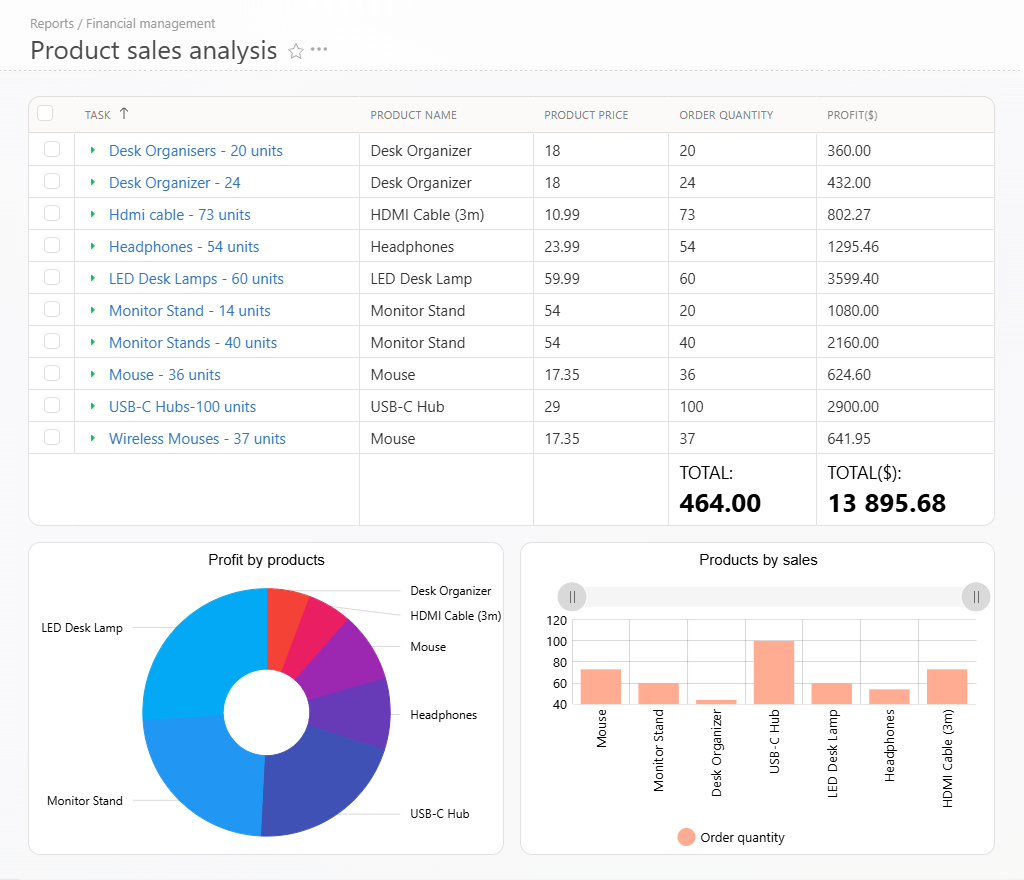
These advantages of inventory management software build on automation and real-time data. For instance, a small business can use software to track stock across an online store and a physical shop, so neither one runs dry. By adopting these systems, businesses can put resources to better use, improve customer experiences, and set themselves up for long-term success.
Features of Inventory Management Software
Modern inventory management software features change how businesses handle stock, with tools that automate routine tasks and turn raw numbers into insights you can act on. These platforms go beyond traditional methods and give businesses of every size both scale and precision.
Real-Time Tracking
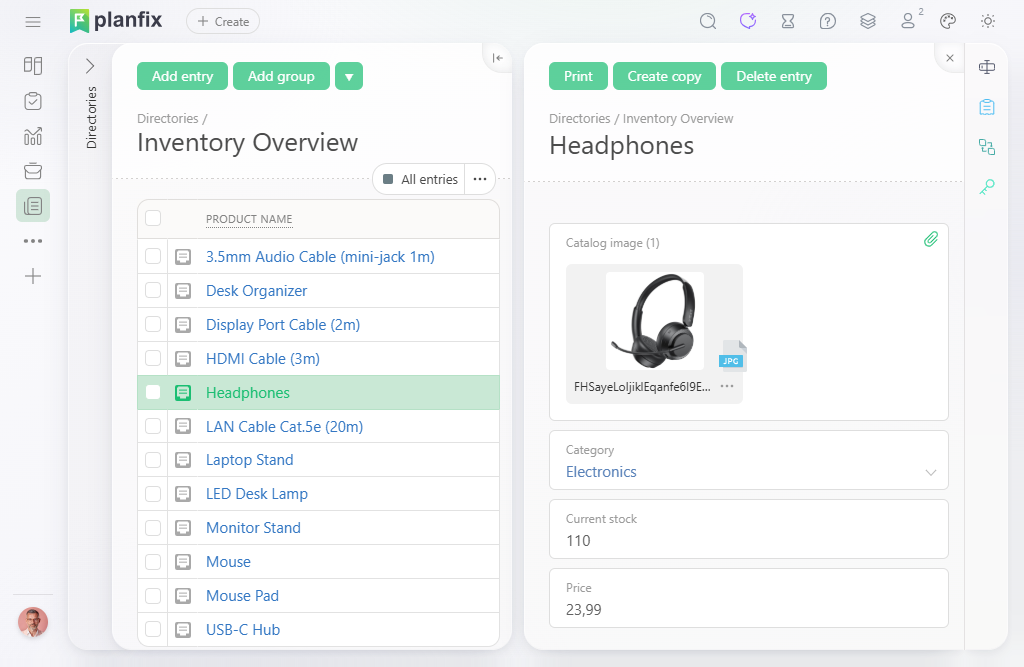
Real-time tracking monitors stock levels across all your sales channels, so the data stays accurate at all times. For example, an e-commerce retailer can prevent overselling by syncing online and in-store inventory. You get instant updates on stock movements, which makes reorder decisions quick ones. The system also flags low stock levels before they turn into stockouts. For businesses with fast-moving inventory, that visibility is what keeps operations running and customers happy.
Demand Forecasting
Demand forecasting uses historical sales data to predict future inventory needs, so you avoid both stockouts and overstocking. A seasonal retailer, for instance, can anticipate holiday demand for specific products. The feature reads trends and patterns and turns them into guidance for purchasing decisions. It also factors in external shifts in the market, which makes predictions more accurate. By aligning stock with demand, forecasting improves efficiency and reduces waste, especially for businesses with fluctuating sales cycles.
Barcode and RFID Integration
Barcode and RFID integration speeds up stock counts and order fulfillment through quick, accurate scans. A warehouse can use barcode scanners to update inventory during receiving or shipping, which cuts down on errors. RFID tags allow for bulk scanning, so large-scale audits move much faster. This feature takes manual data entry out of the picture, saving time and improving accuracy. It’s especially valuable for businesses with high inventory turnover, where tracking has to stay precise across complex operations.
Multi-Location Management
Multi-location management tracks inventory across multiple sites, including stores, warehouses, and distribution centers, from a single platform. A retail chain can monitor stock levels at each branch and keep distribution balanced. You get centralized visibility, which makes restocking and transfers between locations much simpler. Each site can also be reported on separately, which helps with strategic decisions. For businesses expanding into new regions, this is what keeps inventory control consistent.
These inventory management system features are vital for how to improve inventory management system. By automating tasks, connecting with other systems, and providing real-time insights, they help businesses keep control over their inventory, reduce costs, and meet customer demands.
Common Challenges in Inventory Management and How Software Helps
Inventory management comes with its own set of challenges, from inaccurate counts and unpredictable demand to supply chain disruptions. Inventory management software solutions address these issues by providing tools to enhance visibility, automate processes, and mitigate risks, ensuring smoother operations.
Inaccurate inventory data usually comes from manual tracking, and the discrepancies it creates disrupt sales or production. Software automates stock updates to keep numbers accurate across every channel in real time.
Demand variability, such as seasonal spikes or market shifts, can leave you with stockouts or excess inventory. Forecasting tools read historical data and align stock with what’s coming. Supply chain delays are another frequent issue that complicates restocking. Software with supplier management features keeps communication in one place, tracks delivery schedules, and sends alerts when a delivery slips.
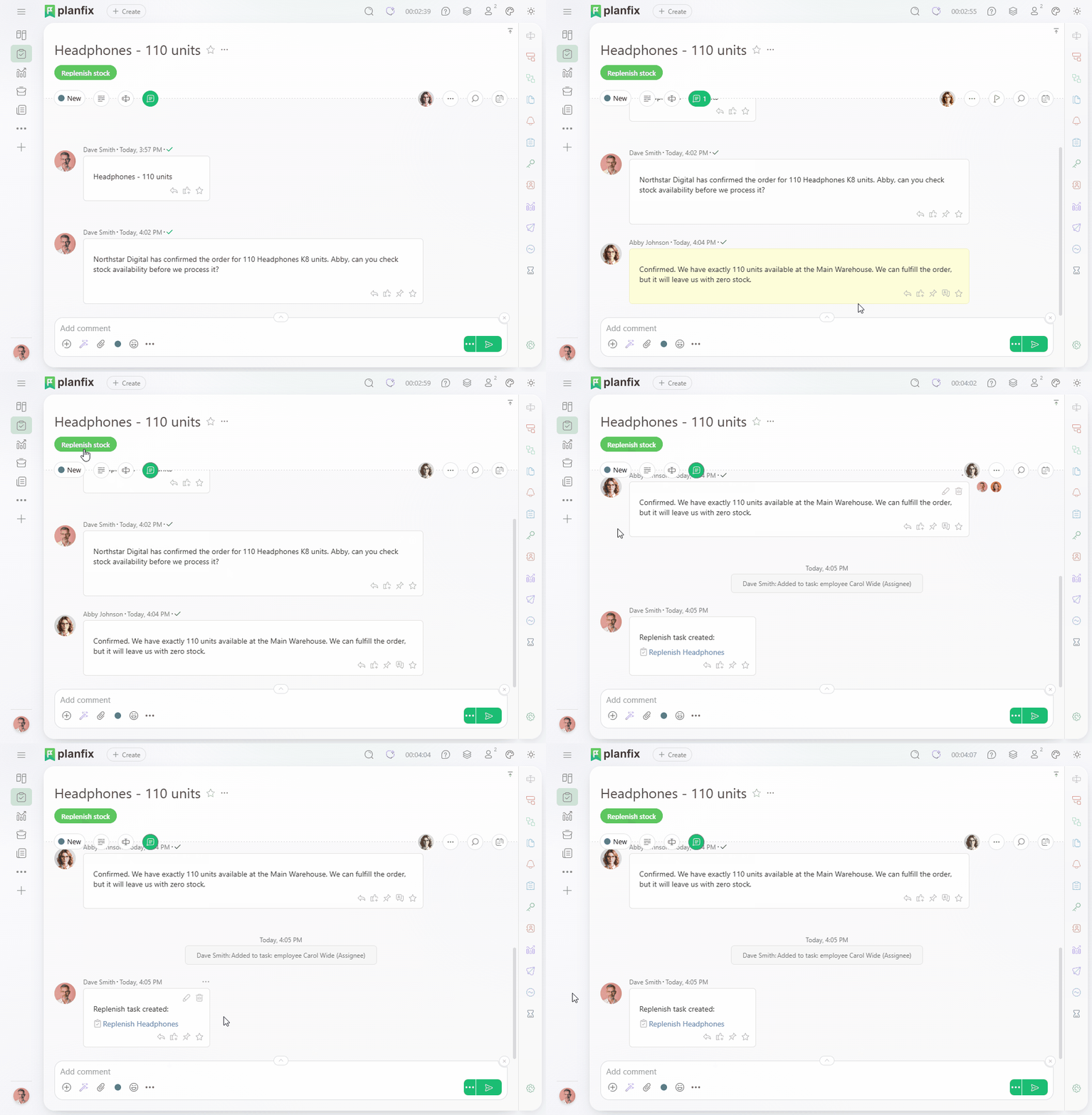
Manual processes like stock counts or reorder calculations also eat up time and invite mistakes. Automation handles the repetitive work and returns instant updates instead. Software makes that practical because it keeps data in one place and gives decisions something solid to stand on. For example, a retailer can use software to monitor stock across multiple stores and replenish on time, while a manufacturer can track raw materials to avoid production halts. By addressing these challenges, inventory management software improves efficiency and supports business growth.
Best Practices and Tips for Effective Inventory Management
Adopting best practices for inventory management ensures businesses optimize stock levels, reduce costs, and maintain operational efficiency. These strategies pair proven techniques with modern technology to deliver consistent, reliable results.
Effective inventory management starts with clear processes and the right tools to support them. Regular audits confirm that stock numbers are accurate, while strong supplier relationships keep deliveries on schedule. Inventory management tips also emphasize training staff and using data-driven insights to refine strategies. Here are the key practices to put in place:
- Regular Audits: Conduct periodic physical counts to verify software data, catching discrepancies early.
- Accurate Forecasting: Analyze sales trends to predict demand, avoiding stockouts or overstocking.
- Supplier Relationships: Build strong communication channels with suppliers for reliable deliveries.
- Stock Categorization: Use ABC analysis to prioritize high-value items, optimizing resource allocation.
- Employee Training: Train staff on inventory processes to ensure consistency and reduce errors.
- Automation Tools: Let software handle reordering and stock tracking to save time.
- Inventory Segmentation: Group stock by type or demand to simplify management and reporting.
These tips on inventory management help businesses stay a step ahead. For example, a retailer can use automation to trigger reorder alerts, while a manufacturer can segment inventory to prioritize critical components. By combining these practices with inventory management technology, businesses can achieve greater accuracy, reduce costs, and improve customer satisfaction, ensuring long-term operational success.
How to Choose the Right Inventory Management Software
Selecting the right inventory management software requires evaluating your business’s specific needs, such as inventory volume, sales channels, and budget constraints. Focus on features like real-time tracking, demand forecasting, and integrations with the tools you already use for accounting or e-commerce. Scalability matters for a growing business, while ease of use decides how quickly your team actually adopts the system. Free trials and demos are the cheapest way to test functionality, and reliable customer support keeps small problems from turning into downtime.
Planfix offers a versatile solution, combining inventory management tools and techniques with CRM, task management, and project management in a customizable platform. It supports real-time stock tracking, automation for reorder alerts, and multi-location management, which covers retail, manufacturing, and e-commerce businesses alike. Cloud-based access and a mobile app give you flexibility, while affordable pricing, including a free plan, suits businesses of every size. Try Planfix’s free plan or 14-day trial to bring order to your inventory processes.
FAQ
What is an inventory management system?
An inventory management system is the combination of software and processes a business uses to track stock from purchase to sale. It records what you hold, where it sits, and when it has to be reordered. That data can live in Planfix directories, where every product entry keeps its category, price, and current stock.
What does an inventory management system do?
It tracks stock levels in real time, records movements in and out, and tells you when to reorder. Most systems also forecast demand from historical sales and report on turnover and profitability. Those numbers are what turn purchasing from guesswork into a routine decision.
What are the main inventory management methods?
The four covered above are Just-in-Time, Economic Order Quantity, ABC analysis, and dropshipping. JIT and EOQ control when and how much you order, ABC analysis decides where attention goes, and dropshipping removes storage altogether. Many businesses combine two of them rather than committing to one.
Do small businesses need inventory management software?
Usually yes, as soon as stock is spread over more than one channel or location. A spreadsheet holds up until an online store and a shop floor start selling the same item. Planfix has a free plan, so a small team can test an inventory workflow before paying for one.
How do I choose inventory management software?
Start with your inventory volume, sales channels, and budget, then check for real-time tracking, demand forecasting, and integrations with the accounting or e-commerce tools you already run. Test the shortlist on a free trial with your own data rather than a demo dataset. If you would rather keep stock, clients, and tasks in one system, look for a platform that covers all three.