- How to Manage Multiple Projects Effectively – The Essential Framework
- What Makes Managing Multiple Projects Different
- Common Challenges in Managing Multiple Projects
- Establishing Multiple Project Strategy
- Choosing the Right Project Management Software for Multiple Projects
- Time Management Strategies for Multiple Projects
- Communication and Coordination Systems for Many Projects
- Managing Multiple Projects at Once: Daily Practices
- Agile Approaches for Multiple Projects
- Manage Resources Across Multiple Projects
- Multiple Projects Management Ready-to-Use Templates and Frameworks
- Problems and Solutions of Project Management for Multiple Projects
- Preventing Problems Before They Start
- Tips for Managing Multiple Projects
- Conclusion
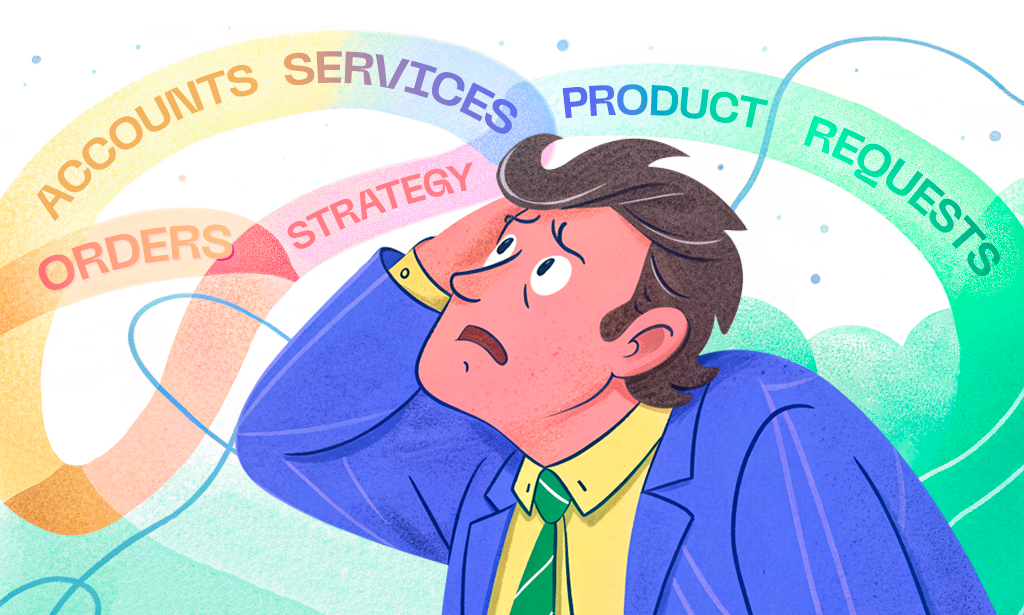
Picture this: It’s Monday morning, and you’re staring at your computer screen with a growing sense of dread. Project A needs a status update for the executive team, Project B’s deadline has been pushed up by two weeks, and Project C just lost its key developer. Meanwhile, your calendar shows back-to-back meetings for three different initiatives, and your inbox is flooded with urgent requests from various stakeholders. Sound familiar?
If you’re nodding your head, you’re not alone. The reality of modern work means most professionals are managing multiple projects simultaneously, often without the proper framework or tools to do it effectively. The traditional project management approaches designed for single projects simply don’t scale when you’re juggling several initiatives at once.
How to Manage Multiple Projects Effectively – The Essential Framework
Before diving into the detailed strategies, here’s the core framework that forms the foundation of effective multiple project management:
The 5-Pillar Framework for Managing Multiple Projects Effectively:
- Prioritize ruthlessly – Use clear criteria to rank projects by impact and urgency
- Standardize your systems – Create consistent processes, templates, and communication methods across all projects
- Leverage the right tools – Use project management software designed for multiple project oversight with portfolio dashboards
- Time-block strategically – Dedicate specific time slots to each project to minimize context switching
- Monitor proactively – Establish regular check-ins and early warning systems to catch issues before they escalate
This framework forms the foundation of effective multiple project management. The rest of this article provides detailed implementation strategies for each pillar, along with specific tools, templates, and troubleshooting methods that will transform how to manage multiple projects simultaneously.
The stakes are high when managing multiple projects and deadlines. Poor coordination leads to missed opportunities, frustrated stakeholders, and burnout. But with the right approach, managing several projects simultaneously becomes not just manageable, but a competitive advantage that demonstrates your leadership capabilities and strategic thinking.
What Makes Managing Multiple Projects Different
The Portfolio Mindset
Managing multiple projects isn’t simply about doing single-project management several times over. It’s a fundamentally different discipline that requires a portfolio mindset rather than a project-by-project approach.
The key difference lies in interdependencies. When you’re managing multiple projects simultaneously, you’re not just tracking individual timelines and deliverables. You’re orchestrating a complex system where resources, timelines, and stakeholder attention compete across initiatives. A delay in one project can cascade through your entire portfolio, affecting resource allocation and strategic priorities.
Complexity Multipliers
Consider the complexity multipliers that come into play. With a single project, you have one set of stakeholders, one timeline, and one resource pool. With multiple projects, you might have overlapping stakeholders with conflicting priorities, competing deadlines that create resource bottlenecks, and team members who split their time across initiatives with different methodologies and communication styles.
The Cognitive Load Challenge
The cognitive load is also significantly higher. Context switching between projects isn’t just about changing or managing tasks – it’s about shifting between different problem spaces, stakeholder relationships, and strategic contexts. Research shows that it can take up to 23 minutes to fully refocus after switching contexts, which makes efficient multiple project management crucial for productivity.
Common Challenges in Managing Multiple Projects
Understanding the specific challenges in managing multiple projects is the first step toward developing effective solutions. These challenges fall into several key categories:
Resource Conflicts and Allocation Issues
- Skilled team members are needed across multiple projects simultaneously
- Specialized roles where talent is scarce, creating bottlenecks
- Timeline shifts that create unexpected resource demands
- Competing priorities for a limited budget and equipment
Competing Deadlines and Priorities
- Multiple high-priority projects need critical resources simultaneously
- Stakeholder expectations when priorities shift due to market conditions
- Executive pressure to deliver everything on original timelines
- Difficulty communicating trade-offs and resource constraints
Communication Complexity
- Stakeholders need different types of updates across projects
- Team members requiring clarity on shifting priorities
- Executive visibility into portfolio progress without information overload
- Managing multiple communication channels and update frequencies
Progress Tracking Difficulties
- Monitoring multiple moving parts simultaneously
- Understanding project interactions and dependencies
- Identifying portfolio-level risks before they become critical
- Maintaining visibility without creating reporting overhead
Managing multiple priorities, projects, and deadlines requires a sophisticated understanding of how to balance competing demands. This involves not just time management, but strategic thinking about which projects drive the most value, which deadlines are truly fixed versus negotiable, and how to communicate trade-offs effectively to stakeholders.
Establishing Multiple Project Strategy
Project Categorization and Prioritization
The foundation of successful multiple project management lies in developing a coherent strategy that treats your projects as a portfolio rather than isolated initiatives. This strategic approach requires several key components working in harmony.
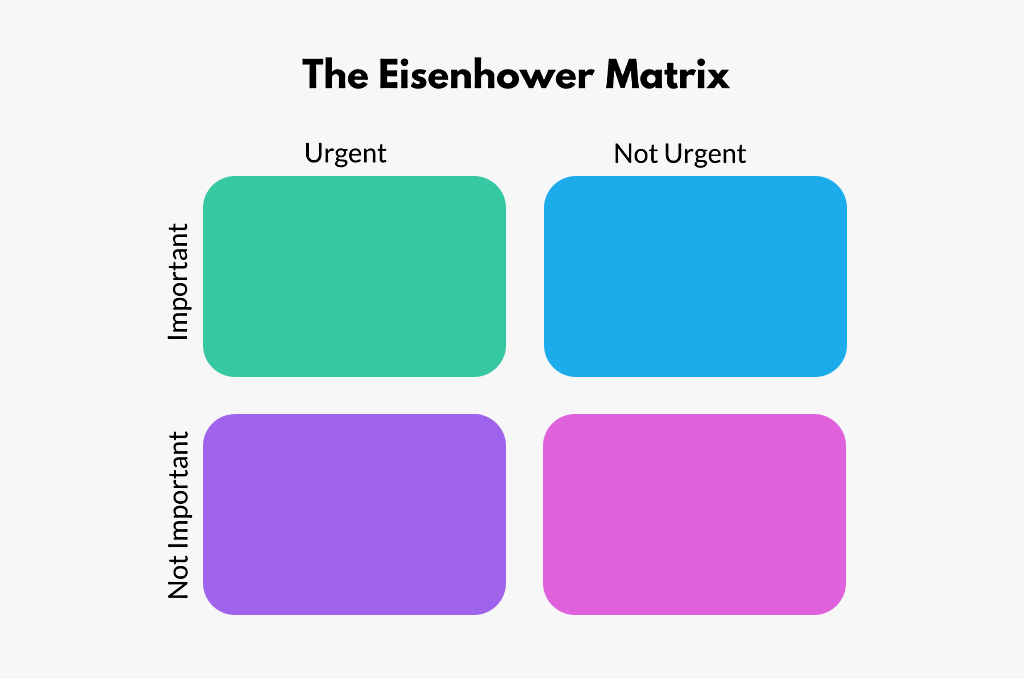
Project categorization and prioritization form the cornerstone of your strategy. Not all projects are created equal, and treating them as such is a recipe for failure. Start by categorizing your projects using a framework that makes sense for your organization. The Eisenhower Matrix, adapted for projects, can be particularly effective. Place projects into quadrants based on their urgency and importance: urgent and important projects get immediate attention and top resources, important but not urgent projects get scheduled planning time, urgent but not important projects get delegated or streamlined, and projects that are neither urgent nor important should be questioned or eliminated.
When you prioritize tasks with the Eisenhower Matrix, you no longer feel like you’re drowning in an endless to-do list.
Beyond the basic matrix, consider categorizing projects as strategic versus operational. Strategic projects drive long-term organizational goals and competitive advantage, while operational projects maintain current capabilities and efficiency. Strategic projects typically deserve more senior attention and resources, even if operational projects feel more urgent in the moment.
Resource Allocation Strategy
Resource allocation becomes critical when managing resources across multiple projects. This isn’t just about hours and headcount – it’s about skills, expertise, and energy. Create a comprehensive view of your available resources, including not just full-time team members, but part-time contributors, external vendors, and specialized skills that might be needed across projects.
Avoid the common trap of overcommitment by building buffer capacity into your resource planning. A good rule of thumb is to plan for team members to be productive on project work for no more than 70-80% of their time, leaving room for unexpected issues, administrative tasks, and the inevitable context switching that comes with multiple projects.
Portfolio Planning Framework
Portfolio planning requires thinking several steps ahead and understanding how your projects interact with each other. This involves timeline coordination to identify potential resource conflicts before they become critical, risk assessment at the portfolio level to understand how problems in one project might affect others, and strategic alignment to ensure your project portfolio supports broader organizational objectives.
Create visual representations of your project portfolio that show timelines, resource demands, and key dependencies. This portfolio view becomes essential for making informed decisions about new project requests, resource allocation changes, and strategic priority shifts.
Choosing the Right Project Management Software for Multiple Projects
The right tools can make the difference between chaos and clarity when managing multiple projects simultaneously. However, not all project management software is designed with multiple project management in mind. Understanding what features to look for can save you significant time and frustration.
Comprehensive Project Management Platforms
Such platforms designed for multiple projects typically offer several key capabilities. Look for software that provides portfolio dashboards where you can see all your projects at a glance, resource management features that show you who’s available and when, and cross-project reporting that helps you identify trends and issues across your portfolio.
Popular platforms like Planfix, Microsoft Project, and Smartsheet are designed specifically for managing multiple projects. These tools often include advanced features like resource leveling, which automatically adjusts project schedules to resolve resource conflicts, and portfolio optimization tools that help you make strategic decisions about project prioritization.
When evaluating comprehensive platforms, pay attention to how easy it is to get the information you need quickly. The best multiple project management software provides customizable dashboards where you can see the specific metrics that matter most for your role and your projects.
Specialized Multi-Project Tools
They are focused specifically on the challenges of managing several projects at once. These tools often excel in areas where general project management software falls short. Look for features like cross-project resource visibility, which shows you how team members’ time is allocated across all projects, and automated conflict detection, which alerts you when resource or timeline conflicts arise.
Portfolio management features are crucial for getting a bird’s-eye view of your project landscape. The best tools provide visual representations of your project portfolio, showing how projects relate to each other, where resources are being used, and which projects are at risk.
Free and Budget-Friendly Options
It can be effective for smaller portfolios or organizations just starting to formalize their multiple project management approach. Tools like Asana, Trello, and Monday.com offer multiple project management capabilities at lower price points. While they may not have all the advanced features of an enterprise platform, they often provide enough functionality for teams managing a handful of projects simultaneously.
The key is understanding when to upgrade from free tools. If you find yourself spending significant time manually tracking resource conflicts, creating reports by copying and pasting from multiple sources, or struggling to get visibility into your project portfolio, it may be time to invest in more sophisticated multiple project management software.
Essential Tool Features for Multiple Projects
When evaluating software to manage multiple projects, prioritize these must-have capabilities:
- Cross-project resource visibility – See how team members’ time is allocated across all initiatives in real-time.
- Portfolio dashboards – Get high-level views of all projects with customizable metrics and status indicators.
- Critical path analysis across projects – Understand which delays will have the biggest impact on your overall portfolio.
- Automated reporting – Generate consistent, accurate updates without manual compilation.
- Resource conflict detection – Receive alerts when team members are overallocated or double-booked.
- Dependency mapping – Visualize how projects interconnect and affect each other.
- Budget tracking across projects – Monitor costs and resource allocation at both project and portfolio levels.
Integration Requirements:
- communication platforms (Telegram, Viber);
- document storage systems (Google Drive, SharePoint);
- time tracking tools (Toggl, Harvest);
- calendar applications (Outlook, Google Calendar);
- financial systems for budget tracking;
Time Management Strategies for Multiple Projects
Effective time management becomes exponentially more challenging when you’re managing multiple projects at one time. The key is developing systems that minimize context switching while ensuring each project gets appropriate attention.
Time Blocking for Different Projects
Time blocking for different projects is perhaps the most effective strategy for managing your attention across multiple initiatives. Rather than trying to make progress on all projects every day, dedicate specific blocks of time to each project. This might mean Monday mornings for Project A, Tuesday afternoons for Project B, and Wednesday mornings for Project C.
The key to successful time blocking is making the blocks long enough to allow for meaningful progress. Switching between projects every hour is counterproductive due to the mental overhead of context switching. Aim for blocks of at least two hours, and preferably half-day or full-day blocks when possible.
Context Switching Minimization
Context switching minimization requires deliberate strategies beyond just time blocking. Develop consistent routines for transitioning between projects. This might include a brief review of where you left off, a check of recent updates and messages, and a clear plan for what you want to accomplish in the current time block.
Create physical or digital environments that support quick context switching. Some project managers maintain separate browser profiles for different projects, with relevant bookmarks and tools easily accessible. Others use different physical spaces or even different devices when possible to create mental associations with specific projects.
Task Batching Strategies
The power of batching similar tasks can dramatically improve your efficiency across multiple projects. Instead of doing status updates for each project on different days, batch all your status updates into a single time block. Similarly, batch stakeholder communications, risk assessments, or resource planning across all projects.
This batching approach leverages the efficiency gains that come from doing similar tasks consecutively, while also ensuring consistent approaches across your project portfolio.
Time Tracking for Better Estimation
Using time tracking for better estimation becomes crucial when managing multiple projects because small estimation errors compound across your portfolio. Track time spent on different types of activities across projects to develop more accurate estimates for future planning.

Pay particular attention to the time spent on project management activities themselves – coordination, communication, and context switching. This administrative overhead often represents 20-30% of total project time in multiple project environments, and understanding this helps with more realistic planning.
Communication and Coordination Systems for Many Projects
Standardized Reporting Framework
Managing multiple projects and priorities requires sophisticated communication systems that keep stakeholders informed without overwhelming them with irrelevant information. The challenge lies in creating communication frameworks that scale across projects while maintaining clarity and efficiency.
Standardized reporting across projects forms the backbone of effective communication. Develop consistent templates and formats for project updates, status reports, and stakeholder communications. This standardization makes it easier for stakeholders to quickly understand project status across your portfolio, and it reduces the time you spend creating different types of reports for different projects.
Your standardized reporting should include key elements like project health indicators, progress against milestones, resource utilization, upcoming risks or decisions needed, and clear next steps. Use visual indicators like red/yellow/green status lights to help stakeholders quickly assess project health.
Communication Scheduling and Matrices
Regular Check-in Schedules help ensure that small issues don’t become major problems across your project portfolio. Establish consistent rhythms for different types of check-ins: daily stand-ups with project teams, weekly progress reviews with project stakeholders, and monthly portfolio reviews with senior leadership.
Stakeholder communication matrices become essential when managing many projects because stakeholders often overlap across projects with different information needs and communication preferences. Create a matrix that shows which stakeholders need which types of information, how frequently they need updates, and through which channels they prefer to receive communication.
Escalation and Decision-Making
Escalation procedures become more complex in multiple project environments because issues in one project can affect others, and resource conflicts often require portfolio-level decision-making. Establish clear escalation paths that account for both project-specific issues and cross-project conflicts.
Define what types of issues require immediate escalation, what can wait for regular check-ins, and who has the authority to make different types of decisions. This clarity prevents delays while ensuring that the right people are involved in important decisions.
Managing Multiple Projects at Once: Daily Practices
Success in managing multiple projects simultaneously comes down to developing sustainable daily and weekly practices that keep you organized and proactive rather than reactive.
Morning Planning Routines
Set the tone for productive days. Start each morning with a brief review of your project portfolio, checking for any urgent issues that arose overnight and confirming your planned focus for the day. This might involve reviewing your calendar to understand which projects will demand attention, checking key communication channels for urgent updates, and mentally preparing for the context switches you’ll need to make throughout the day.
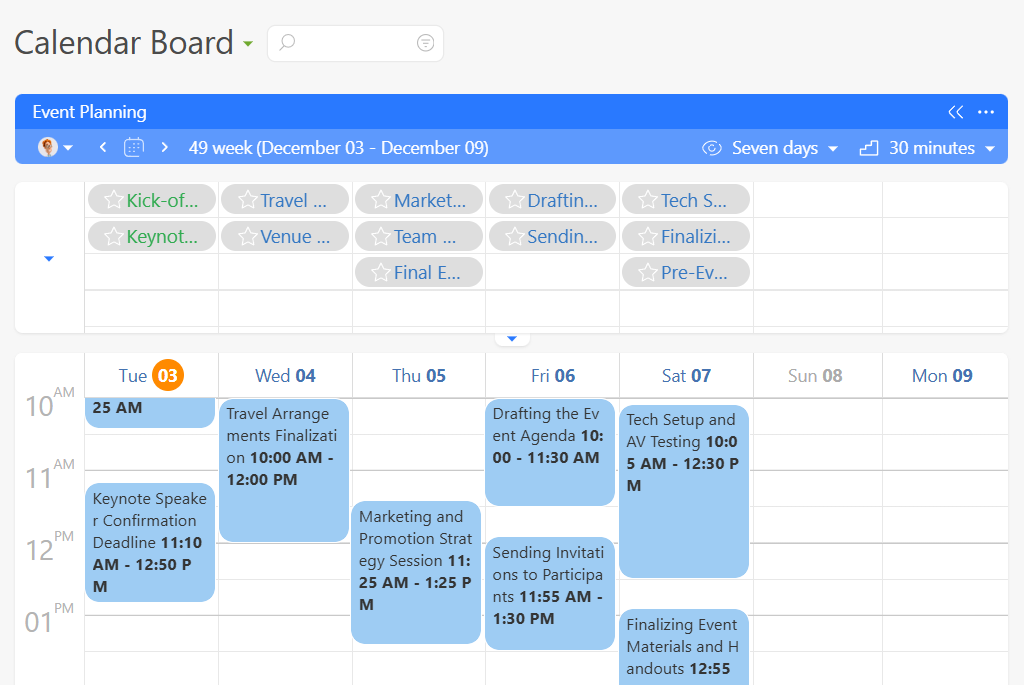
Use this morning planning time to adjust your daily priorities based on new information. Maybe a critical stakeholder became available for an important decision, or a risk you’ve been monitoring in one project materialized and needs immediate attention. Flexibility within structure is key to managing multiple projects at work effectively.
Weekly Portfolio Reviews
Provide the strategic perspective needed to manage multiple projects over time. Set aside time each week to step back from day-to-day execution and look at your project portfolio holistically. Review progress against key milestones, assess resource allocation for the coming week, identify potential conflicts or issues before they become urgent, and adjust priorities based on changing business conditions.
These weekly reviews are also an excellent time to update your project portfolio dashboard and prepare summary communications for stakeholders. Batching these activities improves efficiency while ensuring consistent messaging across projects.
Progress Tracking Methods
Need to be sophisticated enough to handle multiple projects without becoming overwhelmed. Develop simple, consistent ways to track progress that work across all your projects. This might involve weekly milestone reviews, resource utilization tracking, or risk register updates.
The key is finding the right balance between having enough information to make good decisions and avoiding bureaucratic overhead that slows down project execution. Focus on tracking the metrics that actually help you manage better, not just the ones that look good in reports.
Issue Identification and Resolution
It becomes more difficult when managing multiple projects at once, as problems in one project can spill over into others. Develop systematic approaches for identifying emerging issues before they become critical, assessing the potential impact of issues across your project portfolio, and prioritizing resolution efforts based on portfolio-wide impact rather than just individual project needs.
Create simple escalation criteria that help you decide when to handle issues yourself versus when to involve others. This helps prevent both under-escalation, which leads to bigger problems, and over-escalation that wastes others’ time.
Agile Approaches for Multiple Projects
Agile methodologies, originally designed for single product development, can be adapted effectively for managing multiple projects simultaneously. The key is understanding how to scale agile practices across a portfolio while maintaining their core benefits of flexibility and rapid feedback.
Scaled Agile Frameworks
Provide structured approaches for coordinating agile practices across multiple projects. Frameworks like SAFe (Scaled Agile Framework) or LeSS (Large-Scale Scrum) offer proven models for managing multiple agile projects with shared resources and interdependencies.
These frameworks typically involve coordinated planning cycles where all projects plan their upcoming work together, identifying dependencies and resource conflicts before they become problems. They also provide structured approaches for managing shared backlogs and coordinating releases across multiple projects.
Cross-Project Sprint Planning
It becomes essential when team members contribute to multiple projects or when projects have significant interdependencies. This involves coordinating sprint planning across projects to ensure resource allocation makes sense and dependencies are properly managed.
Consider conducting joint planning sessions where representatives from all projects can see resource demands and identify conflicts early. This collaborative approach helps prevent the resource thrashing that often occurs when projects are planned in isolation.
Portfolio Backlogs
Helps manage feature requests and enhancement opportunities that span multiple projects. Instead of each project maintaining its own isolated backlog, consider maintaining a portfolio-level backlog that helps prioritize work based on overall organizational value rather than individual project needs.
This portfolio perspective helps ensure that the most valuable work gets done first, regardless of which specific project it belongs to. It also helps identify opportunities for shared solutions that benefit multiple projects.
Agile Ceremonies Adaptation
It’s important to think about how traditional agile ceremonies such as daily standups, sprint reviews, and retrospectives work when team members are involved in multiple projects. Some organizations run separate ceremonies for each project, while others combine ceremonies to reduce overhead.
The key is finding approaches that maintain the communication and feedback benefits of agile ceremonies without creating meeting overload for team members juggling multiple projects.
Manage Resources Across Multiple Projects
Managing resources across multiple projects requires sophisticated thinking about not just who is available when, but how to optimize the allocation of skills, experience, and energy across your portfolio.
Skills-Based Resource Allocation
This goes beyond simply distributing tasks among available people. It involves understanding the specific skills required for different types of work and strategically matching those skills to the needs of the project. This might mean having your most experienced developer work on the technically challenging aspects of multiple projects rather than being dedicated full-time to just one.
Create skills inventories for your team members that go beyond job titles to include specific technical skills, domain expertise, and experience with different types of projects. This inventory becomes invaluable for making resource allocation decisions that optimize capability across your portfolio.
Cross-Training Strategies
Helps eliminate resource gaps by ensuring that critical skills are not concentrated in the hands of a few. When managing multiple projects, having backup capabilities for key skills becomes even more important because conflicts and unexpected demands are more likely.
Identify the skills that are most critical to your project portfolio and most likely to become bottlenecks. Develop deliberate strategies for cross-training team members in these areas, possibly by pairing less experienced team members with experts on specific tasks or projects.
Resource Leveling Techniques
Helps smooth out resource demands across your project portfolio, reducing the feast-and-famine cycles that can make managing multiple projects especially stressful. This involves adjusting project timelines and task sequences to create more consistent resource demands over time.
Advanced project management software can help automate resource leveling, but the basic principle is simple: instead of having all projects demand the same resources at the same time, sequence work to spread resource demands more evenly.
Capacity Planning Tools
This becomes important for understanding not only the current distribution of resources but also future needs and potential conflicts. Develop tools or use software that helps you visualize resource demands across your project portfolio over time, identifying potential problems weeks or months in advance.
Consider not just direct project work, but also the overhead associated with managing multiple projects. Factor in time for context switching, communication, and the additional coordination required in multiple project environments.
Multiple Projects Management Ready-to-Use Templates and Frameworks
Having standardized templates and frameworks dramatically improves efficiency when managing multiple projects by reducing the time spent on administrative tasks and ensuring consistency across your portfolio.
Multiple Project Management Template Options
This should include the most common project management activities in your portfolio. Develop templates for project charters that can be quickly adapted for new initiatives, status reporting templates that provide consistent information across projects, resource allocation templates that help you plan and track resource usage, and risk assessment templates that ensure you’re thinking about potential issues systematically.
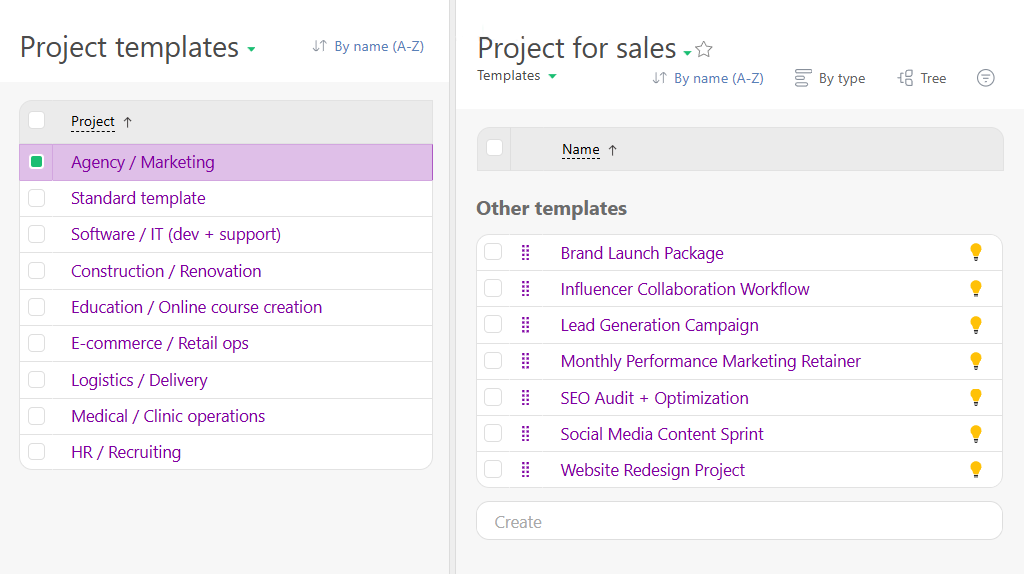
The key to effective templates is making them detailed enough to be useful while organizing multiple projects, and keeping them simple enough that people will actually use them. Test your templates with actual projects and refine them based on feedback from your team and stakeholders.
Portfolio Dashboard Templates
Helps you maintain visibility across all your projects without getting overwhelmed by details. Design multiple project management dashboards that show the information you need most frequently: overall project health across your portfolio, resource utilization and conflicts, upcoming milestones and deadlines, and key risks or issues requiring attention.
Consider creating different dashboard views for different audiences. Your personal dashboard might include detailed resource information and daily task lists, while an executive dashboard focuses on high-level progress and strategic issues.
Resource Allocation Matrices
Provides structured ways to think about how to deploy your team across multiple projects. These templates might include skills matrices that show which team members have which capabilities, capacity planning templates that help you understand availability across projects, and conflict identification tools that help you spot potential resource problems before they become critical.
Status Reporting Templates
Ensures that stakeholders across all your projects receive consistent, useful information. Develop templates that can be quickly customized for different projects while maintaining a consistent structure that stakeholders can easily understand.
Implementation Guidelines
Helps ensure that your templates and frameworks actually get used effectively. Provide clear instructions for customizing templates for specific projects, guidelines for integrating templates with your existing project management tools, and regular review processes to keep templates updated and relevant.
Consider creating quick-start guides that help team members get up to speed quickly with your templates and frameworks. The easier you make it for people to use your standardized approaches, the more likely they are to adopt them consistently.
Problems and Solutions of Project Management for Multiple Projects
Even with the best planning and systems, problems inevitably arise when managing multiple projects. The key is developing systematic approaches for identifying, assessing, and resolving issues quickly before they cascade across your portfolio.
Resource Conflicts
Represents one of the most common challenges in multiple project management. When the same skilled team member is needed by two projects simultaneously, you need clear frameworks for resolution. Develop criteria for making resource allocation decisions that consider project priority, timeline flexibility, impact of delays, and the specific skills required.
Create escalation processes for resource conflicts that can’t be resolved at the project level. Sometimes the management solutions involve adjusting project timelines, sometimes it requires bringing in additional resources, and sometimes it means making hard choices about project priorities. Having clear decision-making processes helps resolve conflicts quickly rather than letting them fester.
Missed Deadlines
This becomes more complex in multiple project environments because delays in one project can affect others. Develop systematic approaches for assessing the impact of delays across your portfolio and communicating with stakeholders about revised timelines.
When deadlines are missed, focus on understanding the root causes rather than just adjusting dates. Were the original estimates unrealistic? Did the scope change without a proper impact assessment? Were there resource conflicts that weren’t properly managed? Understanding root causes helps prevent similar problems in other projects.
Scope Creep Across Projects
That can be particularly insidious because small changes in multiple projects can add up to significant resource impacts. Develop change control processes that consider not just the impact on individual projects, but the cumulative effect across your portfolio.
Train stakeholders to understand the true cost of scope changes in multiple project environments. A small change that seems insignificant in isolation might push critical resources over capacity when considered across all projects.
Team Burnout
That becomes a serious risk when team members are spread across multiple projects with competing demands and frequent context switching. Monitor workload not just in terms of hours, but in terms of complexity and stress.
Develop strategies for preventing burnout, such as ensuring team members have clear priorities when conflicts arise, providing adequate time for deep work on individual projects, and recognizing the additional mental effort required for multiple project environments.
Preventing Problems Before They Start
Proactive problem prevention is far more effective than reactive problem-solving when managing multiple projects. Develop systems and practices that help you identify and address potential issues before they become critical.
Early Warning Systems
Helps you spot emerging issues across your project portfolio before they become urgent. This might involve regular review of leading indicators like resource utilization trends, stakeholder satisfaction metrics, or risk register updates across projects.
Look for patterns that might indicate systemic issues. If multiple projects are experiencing similar types of delays or resource conflicts, there might be underlying process or capacity issues that need to be addressed at the portfolio level.
Regular Health Checks
Provides structured opportunities to assess the overall state of your project portfolio. Schedule regular reviews that go beyond individual project status to look at portfolio-level metrics and trends.
These health checks might include resource utilization analysis, stakeholder satisfaction surveys, risk assessment across the portfolio, and strategic alignment reviews to ensure your projects still support organizational objectives.
Stakeholder Expectation Management
Becomes more complex, but also more important when managing multiple projects. Stakeholders need to understand how their project fits into your overall portfolio and how changes or issues in one project might affect others.
Communicate clearly about resource constraints and how projects compete for attention and resources. Help stakeholders understand when their projects are likely to get focused attention and when they might need to share resources with other initiatives.
Risk Mitigation Planning
The portfolio level involves analyzing risks that may impact multiple projects simultaneously and developing mitigation strategies that will work across the entire portfolio. This might include developing backup resource plans, maintaining flexibility in project timelines, or creating shared risk mitigation strategies that benefit multiple projects.
Tips for Managing Multiple Projects
Experienced project managers who have successfully managed multiple projects develop strategies and insights that go beyond formal methodologies and tools. Here are the most valuable tips for avoiding common pitfalls:
Implementation Strategy:
- Start small and scale up – Begin with simple tools addressing your most pressing challenges, then gradually add complexity.
- Focus on systems, not heroics – Develop repeatable processes rather than relying on individual heroic efforts.
- Master the fundamentals first – Establish basic project management discipline before implementing complex portfolio systems.
Continuous Improvement Practices:
- Conduct regular retrospectives across projects – Look for patterns and improvement opportunities that span multiple projects.
- Maintain a continuous improvement mindset – Treat your project management approach as a product needing ongoing refinement.
- Track leading indicators – Monitor metrics that help you make adjustments before problems become critical.
Quick-Win Strategies for Immediate Impact:
- implement simple status reporting templates across all projects;
- establish consistent check-in schedules with clear agendas;
- create basic resource conflict identification processes;
- develop standardized escalation procedures for common issues.
30-60-90 Day Implementation Plan:
- First 30 days: Establish basic visibility and communication across projects.
- Next 60 days: Implement tools and processes for resource allocation and conflict resolution.
- Final 30 days: Focus on optimization and continuous improvement processes.
Success Metrics to Track:
- project delivery predictability and timeline accuracy;
- resource utilization efficiency and conflict frequency;
- stakeholder satisfaction across the portfolio;
- team satisfaction and burnout indicators;
- time spent on administrative overhead versus value-adding work;
Conclusion
Managing multiple projects effectively isn’t about working harder — it’s about working smarter with the right systems and strategies. The 5-pillar framework we’ve explored provides your roadmap: ruthless prioritization, standardized systems, appropriate tools, strategic time management, and proactive monitoring.
Key takeaways for immediate implementation:
- Start with clear project prioritization using impact and urgency criteria.
- Implement time management for multiple projects through dedicated time blocking.
- Choose software for managing multiple projects that offers portfolio visibility.
- Establish standardized communication templates across all initiatives.
- Build resource conflict detection into your planning process.
The difference between struggling with multiple projects and mastering them lies in treating your initiatives as an integrated portfolio rather than separate efforts. Managing multiple projects simultaneously becomes a competitive advantage when you have the right framework in place.
Your next step: Choose one element from the framework that addresses your biggest current challenge. Whether it’s implementing simple status reporting templates, establishing clearer prioritization criteria, or tools for managing multiple projects, small improvements compound quickly across your portfolio.
The investment in systematic multiple project management transforms overwhelming chaos into organized success — and positions you as a leader who can handle complexity while delivering consistent results.

